Plant cells and crop disease were among the scientific tasks aboard the International Space Station on 30 October 2026, according to NASA’s daily mission account. The work concerns a practical problem for long space journeys: understanding how plants grow and respond to infection when gravity conditions differ from those on Earth. NASA reported research activities, not a completed farming breakthrough.
NASA astronaut Anil Menon worked in the Japanese Kibo laboratory on an investigation of cell division in green algae and cultured tobacco cells. The study examines the effects of microgravity, the condition in which objects aboard the orbiting station appear almost weightless. NASA says the results could help future food production on the Moon and Mars; the update did not report those results or demonstrate such production.
Fellow NASA astronaut Luke Delaney worked with thale cress plants in a crop disease investigation. The station account describes samples exposed to a fungal pathogen and placed in an incubator that provides artificial gravity. The wider study compares infected plants on Earth and in space to examine whether disease develops differently under microgravity. It is a controlled research question, not a finding that all plants become more vulnerable in orbit.
For Nigerian readers, the potential connection is the science of protecting crops, rather than a new seed or treatment already available to farmers. Understanding a plant’s response to infection may eventually inform further agricultural research. This particular update provides no evidence of a tested Nigerian application, improved harvest, approved product or timetable for practical use. Those claims would require separate evidence.
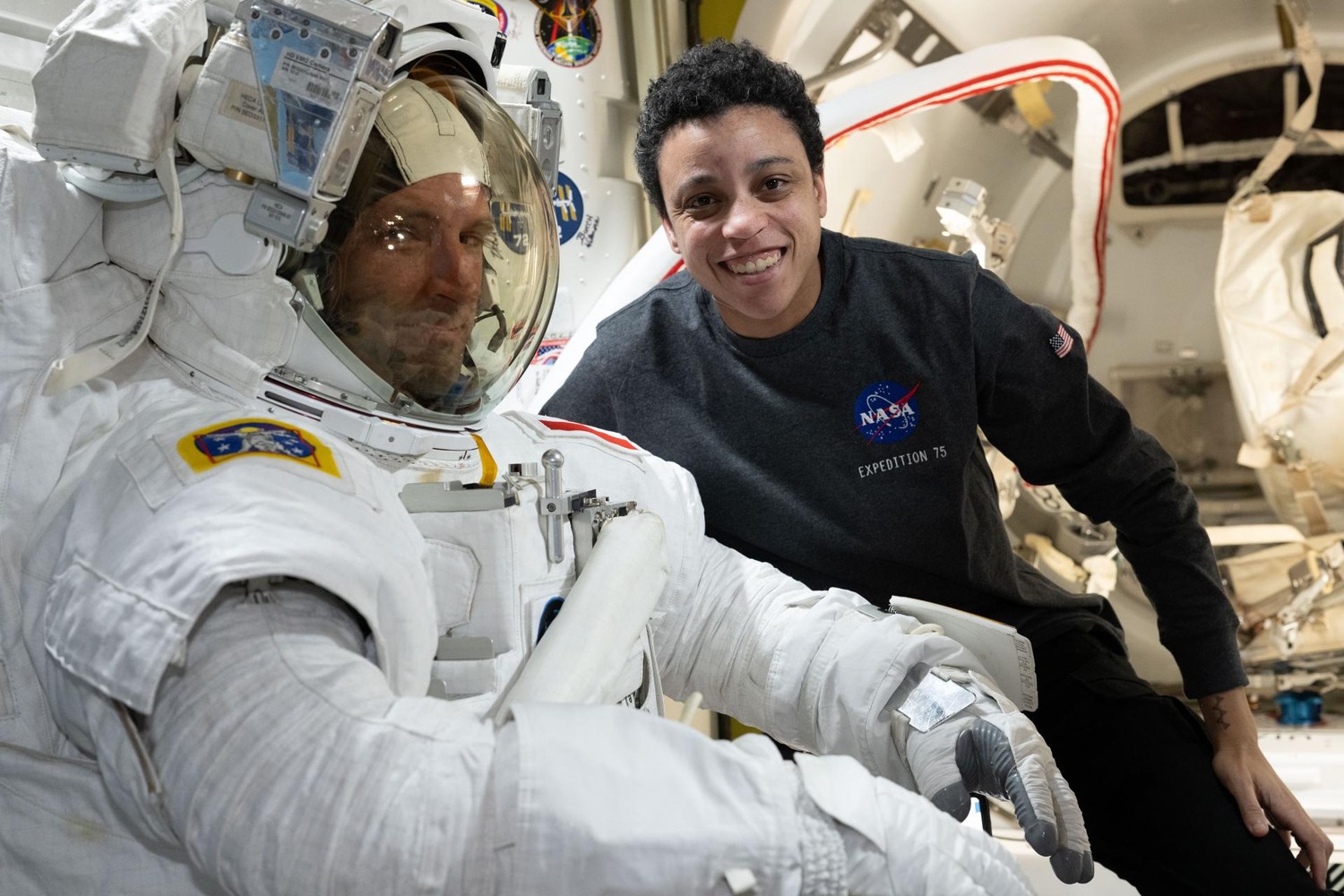
The crew also maintained the equipment that makes research possible. Jessica Watkins serviced science hardware and replaced moisture-absorbing material in portable freezers used to preserve samples for return to Earth. Canadian astronaut Joshua Kutryk tested an exercise cycle in the Columbus laboratory. These activities underline how experiments depend on routine maintenance alongside the more visible milestones of human spaceflight.
The next meaningful development for the plant investigations will be evidence from the samples and their analysis. Until that is released, the confirmed news is that astronauts carried out the research tasks on 30 October. The promise of more resilient crops remains a possible future benefit, and should not be confused with a result that scientists have already established.