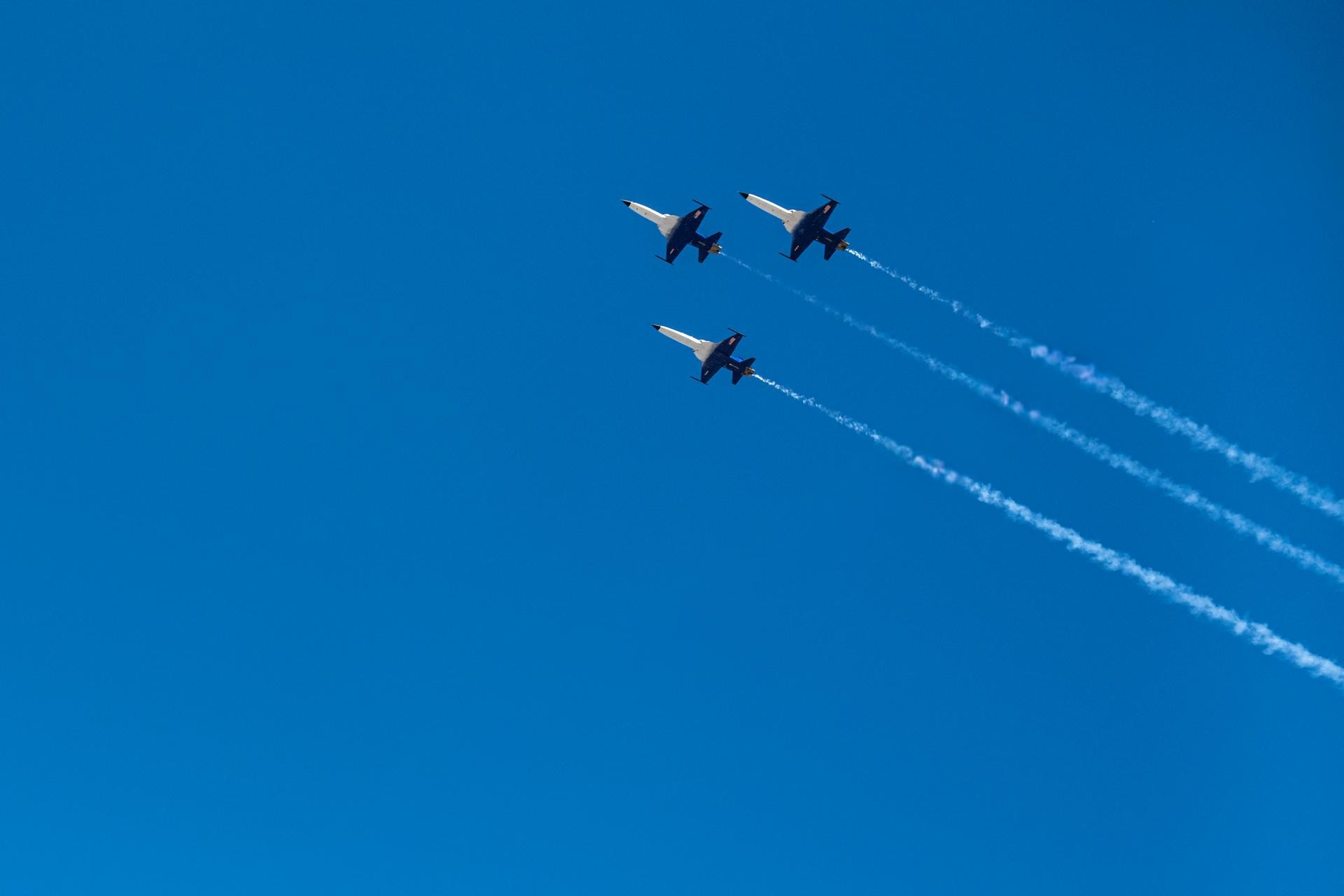
NASA has published a programme for MAX POWER, an aerospace exhibition and air show planned for 6–8 November 2026 on and around Kennedy Space Center in Florida. Its advisory, issued on 30 October, describes events that are still ahead. It is not a report that the exhibition or its announced presentations have already happened.
The agency says the programme will bring together aircraft, autonomous vehicles and space technology. NASA plans to display its X-59 experimental aircraft, while partners are expected to show lunar rovers and spacecraft. These are scheduled exhibits: their inclusion does not by itself demonstrate a new flight achievement, a completed mission or readiness for operational service.
For readers in Nigeria, one event can be followed without travelling to the United States. NASA has scheduled an online Moon Base news conference for 5 p.m. Eastern Standard Time on 7 November. That is 11 p.m. West Africa Time in Nigeria. Streaming information will be available through NASA's live-coverage page, and the agency warns that its schedule may change.
The announced conference participants include NASA Administrator Jared Isaacman and officials responsible for lunar infrastructure and science. The notice promises a programme update; it does not provide the findings or decisions that will be announced. Those details should be assessed after the briefing rather than inferred from the event's title or promotional material.
Other planned sessions concern the Roman Space Telescope, the Artemis III crew and the X-59 research programme. A student challenge announcement is listed for 8 November. The advisory does not establish application rules or confirm Nigerian eligibility, so students should wait for the published terms before treating it as an opportunity open to them.
Public gates are scheduled to open at 9 a.m. Eastern Standard Time on 7 and 8 November. Media accreditation is already closed, according to NASA. For remote audiences, the useful next step is to check the official streaming schedule near the event date, distinguish demonstrations from research results, and revisit any scientific claims when supporting information becomes available.