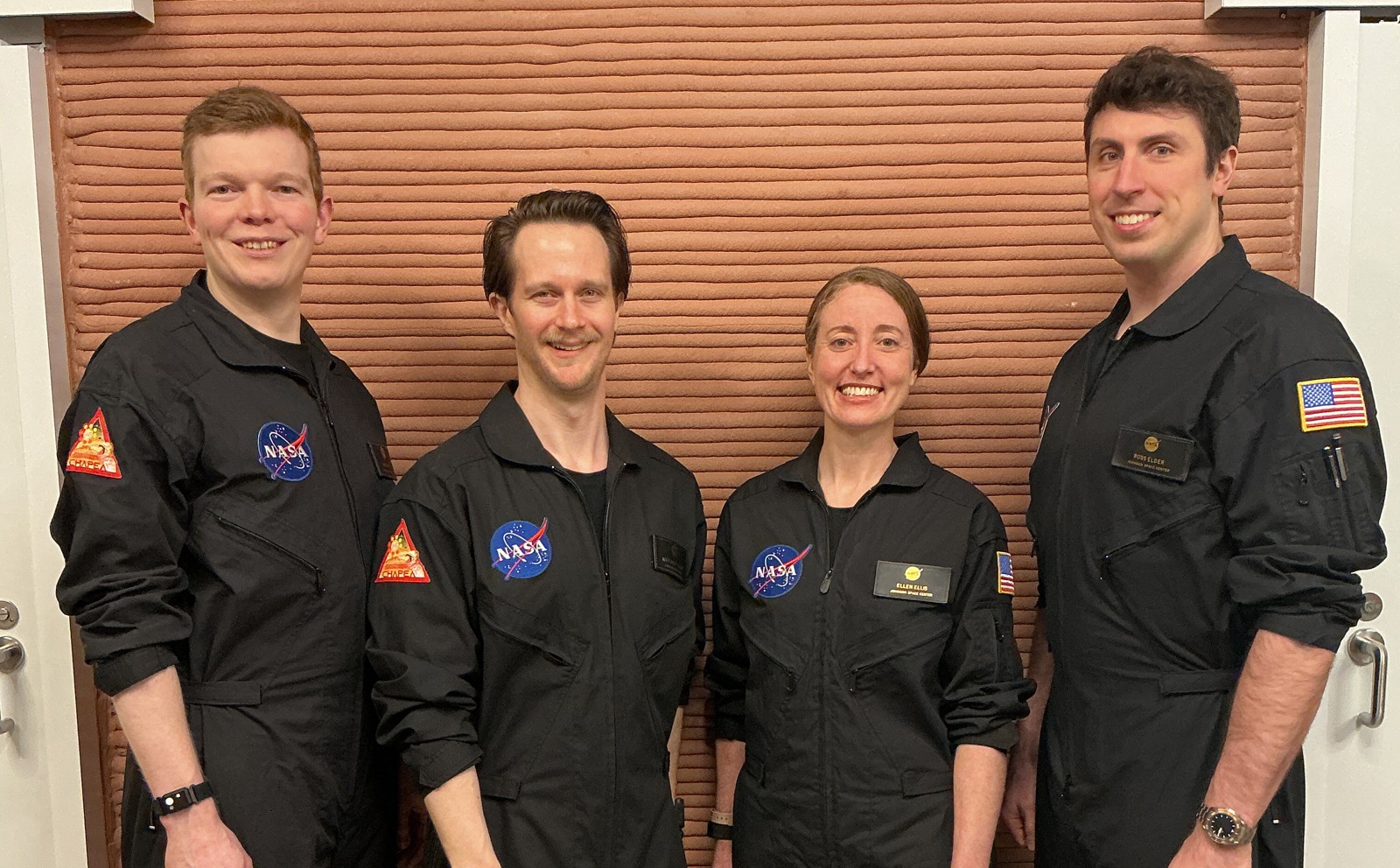
Four members of NASA second CHAPEA mission don spend one year inside simulated Mars habitat for Houston. The agency mark the milestone October 19. Their scheduled October 31 exit still dey ahead of this report, so person no suppose describe am like event wey don already happen.
The crew enter the enclosed habitat wey dem build with three-dimensional printing in October 2025. Their work include growing crops, maintaining equipment and managing limited resources. Activities outside the living area happen for simulated Martian surface. This let researchers examine daily routines without anybody leaving Earth.
Communication delay na another condition dem deliberately add. Messages take time to arrive, to represent wetin e mean when mission control far away. That change how crew plan work and make decisions. If practical problem arise, dem no fit always assume say specialist go answer immediately.
NASA plan evaluations and debriefings after the crew come out. Those sessions go help researchers understand the observations and how the team adapt over time. To finish one year inside habitat na operational milestone. E no mean dem don publish final scientific results from the whole exercise.
Ground simulation no fit reproduce every part of spaceflight. Its usefulness na to study selected conditions inside controlled setting, together with other research. Lessons concern daily work, resources and coordination. Dem no prove say scientists don solve every challenge wey real journey to Mars go bring.
Next stage therefore include interpreting evidence as well as helping crew return to ordinary life. Researchers go study the data before drawing wider conclusions about future exploration. The people inside this photograph dey for Earth, helping test wetin working far away from Earth fit demand from future crews.