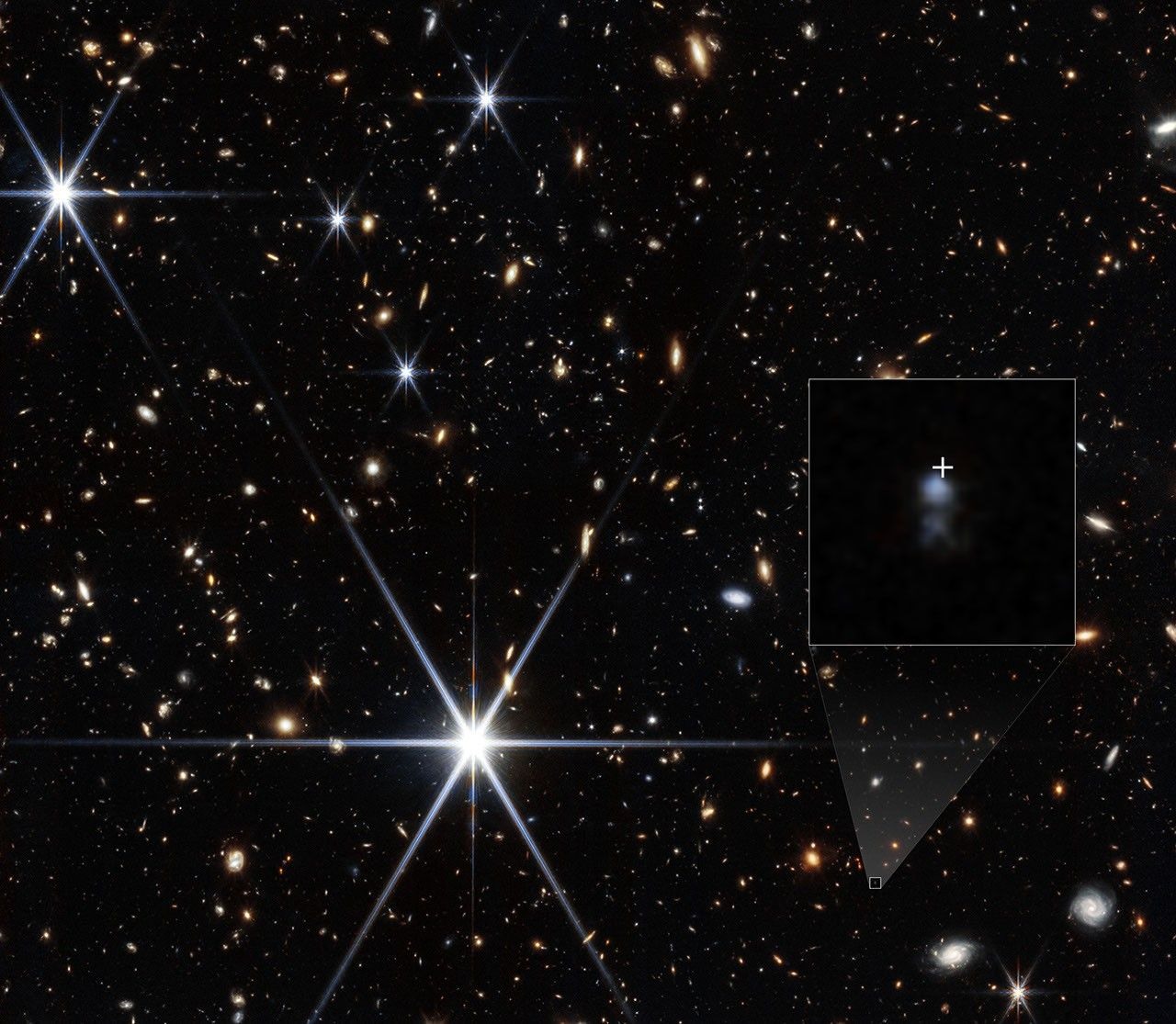
Astronomers wey use James Webb Space Telescope don identify host galaxy of fast radio burst wey come from very far. NASA October 8 report describe FRB 20240304B, wey South Africa MeerKAT radio telescope first detect March 2024. Webb add information wey the first radio detection alone no fit supply.
Fast radio bursts na flashes wey last only milliseconds. To find one no automatically reveal the object wey produce am. The team know where this burst happen, but observations from ground no fit identify galaxy for that position. Na why dem ask Webb to look again.
Webb detect small galaxy and measure its redshift, the stretching of light wey connect with expansion of universe. The result place the event when universe about three billion years old. The host galaxy smaller well than researchers expect, and e still dey actively form stars.
That young environment matter when scientists compare possible sources. Explanation wey need extremely long delay harder to match with population wey young stars dominate. Because of this, researchers argue say collision and merger of two neutron stars unlikely to explain this particular burst.
Young neutron star with strong magnetism, wey dem call magnetar, na another candidate. The observations fit that broad possibility, but dem no be direct picture of magnetar causing the flash. Dem also no establish one explanation wey must apply to every fast radio burst scientists don find.
The result show why joining radio detection with infrared observations useful. Future discoveries fit test whether other distant bursts also happen for similar galaxies. For now, the progress na measured distance and clearer idea of the environment for one brief event. The exact physical process still dey under investigation.