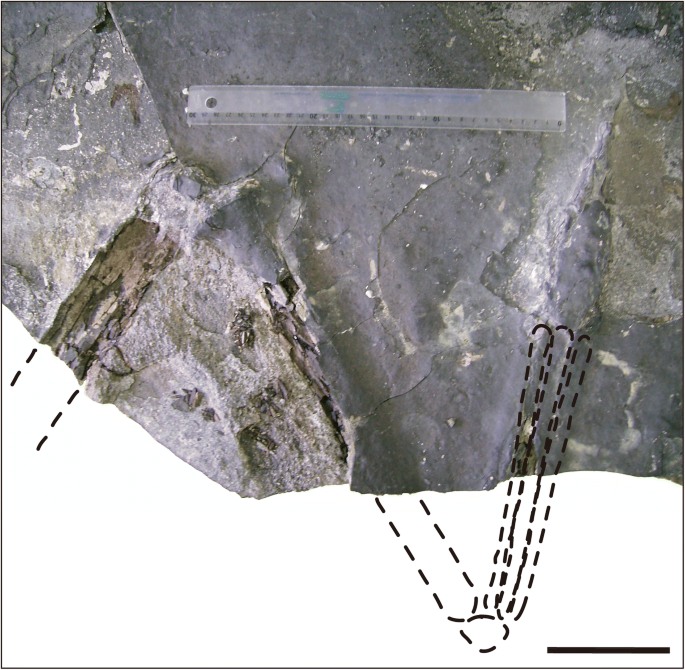
One dinosaur leg bone from northeast Brazil still get chemical signs of wetin bin dey pass inside am. Kliti Grice from Curtin University lead the team wey report evidence say tiny shapes inside the bone fit be wetin remain of red blood cells after minerals preserve dem. Other researchers don question that conclusion.
The paper come out for Proceedings of the National Academy of Sciences on 2 November. The animal, Aratasaurus museunacionali, live about 115 million years ago. Dem find the fossil for mine for 2008. The new work check material wey remain inside the bone, where small channels bin hold blood vessels.
Researchers look for two kinds of evidence. When dem magnify the sample, dem see oval shapes only inside those channels. Chemical tests on material from the bone show heme B and substances wey form as e change. Heme na part of haemoglobin wey help red blood cells carry oxygen. The rock around am give different signal from pigments of organisms wey dey use light.
Where dem see the chemicals matter. Other tests pick up signs wey connect with heme inside the oval shapes themselves. The team also identify one manganese mineral wey dem call hausmannite. Dem suggest say minerals help preserve traces of the original tissue after burial. Na their explanation for how e fit happen.
No be everybody agree say those shapes na fossil blood cells. Mary Schweitzer, scientist wey dey study fossils and wey no join the work, tell ABC say the cell evidence no convince am. The question na which exact structure leave those traces. Shape wey just resemble cell no fit settle the matter.
Wetin e mean for you: the picture show fossil leg bone. To examine the claim about blood, dem need instruments wey fit see things far smaller than wetin eye fit see. The team report molecules and minerals. Tests for ancient DNA no find any. Dem no find liquid dinosaur blood.